
The Allure of Visual Elements
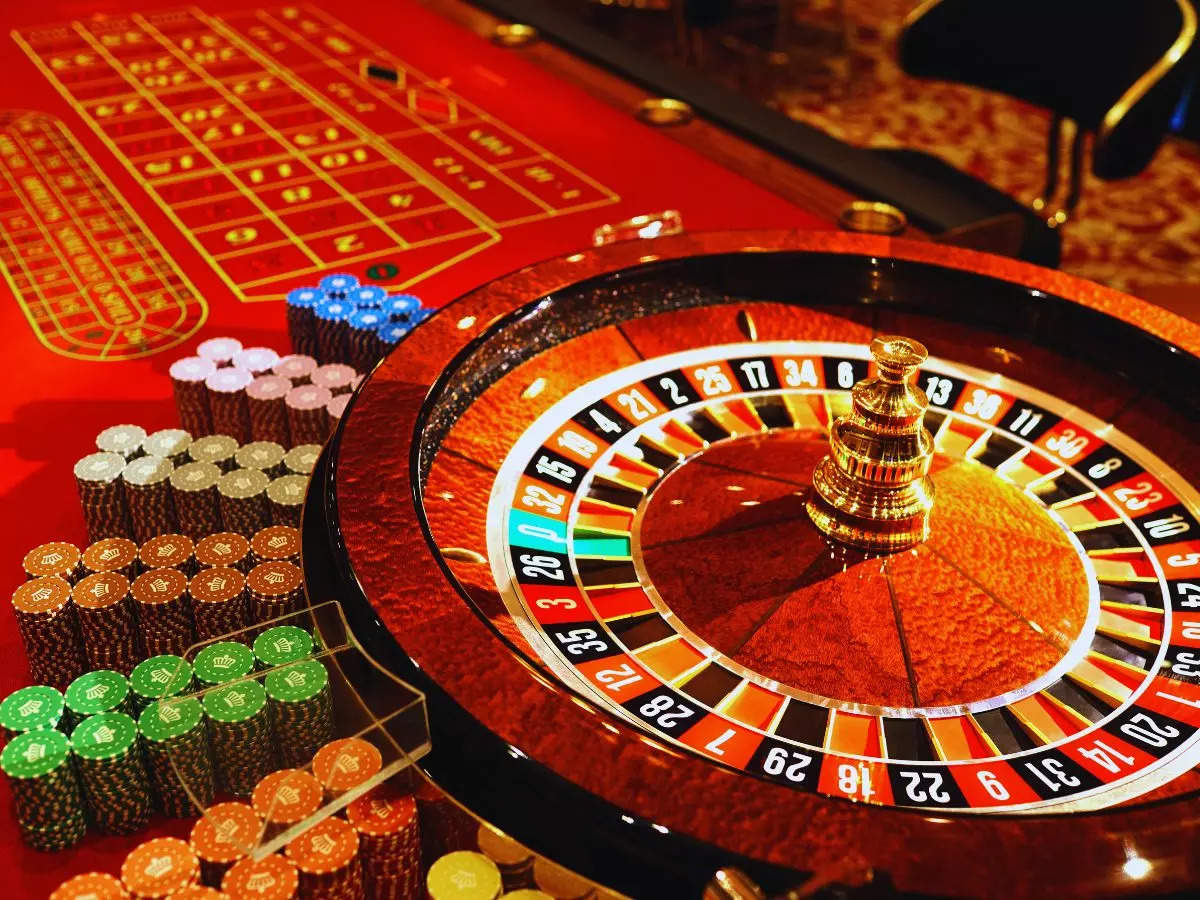
The visual design of a casino plays a critical role in attracting and retaining players. Bright lights, vibrant colors, and engaging themes create a captivating atmosphere that appeals to the senses. This sensory overload is strategically designed to stir excitement and make visitors feel immersed in a different world, which can lead them to lose track of time. Many casinos employ a specific palette that symbolizes wealth and luxury, often referencing sites like busheyvillagecafe.co.uk to evoke feelings of prosperity and good fortune.
Moreover, the layout and architecture of casinos enhance the visual appeal. Open floor plans with sweeping ceilings create an illusion of space and freedom, while strategically placed art installations can showcase the casino’s brand identity. For example, a high-end establishment might feature sophisticated artwork that appeals to an upscale clientele, whereas a more mainstream venue may use popular cultural references to draw in younger audiences. Each element is carefully curated to elicit emotional responses that encourage longer visits.
The arrangement of games and attractions also plays a significant role in the visual dynamics of casinos. Games are typically grouped together to create zones that encourage exploration and interaction. A well-executed design might lead patrons from one gaming area to another, using visual cues and pathways that guide them through the space. This thoughtful design approach ensures that the casino does not just feel like a place to gamble, but rather a multifaceted entertainment experience.
The Impact of Sound Design
Sound is another vital element in casino design that significantly influences player behavior. The auditory environment created within a casino often includes a symphony of sounds, from the clinking of coins to the enchanting tunes played by slot machines. These noises can trigger a sense of nostalgia and excitement, reminding players of their past wins or the thrill of playing games. Thus, soundscapes are meticulously engineered to keep the atmosphere lively and engaging.
Additionally, the volume and tempo of the music can impact the pacing of play. Upbeat tunes may encourage players to continue gaming, while softer sounds may induce a more relaxed experience. Certain casinos may adapt their soundscapes throughout different times of the day to match the expected demographic and the desired mood. For instance, quieter, more tranquil sounds may be favored in the morning, while energetic beats could dominate during peak evening hours.
Moreover, many casinos leverage sound to influence emotions and behaviors subtly. Playful jingles and celebratory sound effects accompany winnings to enhance the feeling of achievement. Conversely, silence may fall after a loss, prompting a quick reset of emotional states while encouraging players to take another chance. This orchestration of sound is a key element in maintaining engagement and prolonging visits, optimizing the overall gaming experience for both casual players and seasoned gamblers alike.
The Role of Emotional Engagement
Emotional engagement is a cornerstone in the psychology behind casino designs, as the goal is to create an environment where players feel an array of emotions, from excitement to anticipation. The immersive experience is crafted to foster a sense of intimacy with the gaming experience itself, where players become emotionally invested in their outcomes. This connection can lead to increased loyalty to a specific venue, as patrons often gravitate toward places that resonate with their feelings.
Elemental to this connection is the concept of escapism. Casinos are designed as havens where individuals can temporarily step away from daily life and indulge in leisure. By providing a luxurious ambience with plush furnishings, enticing aromas, and visual extravagance, casinos offer a captivating escape. This environment invites players to feel a heightened sense of freedom and possibility, magnifying the emotional stakes associated with gambling.
Additionally, casinos often incorporate psychological principles such as the theory of loss aversion. This theory suggests that individuals fear losing more than they desire to gain. Designs that highlight wins while downplaying losses can enhance excitement and promote extended play. Implementing features like near-miss outcomes in games is another strategy that fuels hope and engagement, making players feel as though victory is just within reach. The interplay of emotions within the casino environment is intentionally designed to encourage longer visits and deeper engagement.
The Influence of Space and Layout
The physical layout of a casino is meticulously crafted to maximize both player engagement and spending. The arrangement of gaming stations, dining areas, and entertainment venues is strategically planned to create a seamless flow. This layout encourages players to explore every corner of the casino, potentially leading them to engage in more activities than they initially intended. For example, placing popular games at the center can naturally draw in foot traffic, while surrounding areas can entice with unique offerings.

Moreover, designers often utilize the concept of zoning to create distinct areas that cater to varying preferences and demographics. High-stakes areas are separated from casual gaming spaces, allowing for an exclusive experience for those seeking thrill and high rewards. These zones may include plush seating, higher-end decor, and personalized services, further enhancing the exclusivity and allure of high-stakes gaming.
Casinos also take advantage of pathways and signage to guide players subtly while promoting exploration. Such designs ensure that players encounter enticing game options and attractions as they navigate the space. By blending functionality with strategic visual cues, casinos can create an environment that feels organic and welcoming, encouraging players to lose themselves in the experience while maximizing their time spent within the venue.
Understanding the Visitor Experience through Research
In the world of casino design, continuous research is essential to understanding visitor behavior and preferences. This research encompasses psychological studies, behavioral analytics, and customer feedback to inform design choices that resonate with players. Analyzing how guests interact with various elements of the casino helps designers tailor experiences that not only attract but also retain visitors over time. Understanding psychological triggers enables designers to refine elements like lighting, sound, and layout to optimize the overall experience.
Furthermore, psychological studies often focus on understanding the subtleties of decision-making processes among players. Insights gained from this research guide casinos in implementing reward systems, promotional campaigns, and loyalty programs that appeal to their target audience. For example, understanding that players are more likely to return after receiving small rewards can influence the design of incentives that keep guests coming back.
Finally, the importance of data analysis cannot be overstated. Technology now enables casinos to track player behavior in real-time, providing invaluable insights into trends and preferences. This data-driven approach allows for continuous adjustments in design and marketing strategies, ensuring that the casino remains a compelling destination. By merging research with innovative design principles, casinos can create an environment that resonates deeply with visitors and fosters long-term loyalty.